Startup founder analyzing growth hurdles and competitor data in a warm, inviting setting.
Introduction
Starting a new business is exciting but challenging. Have you ever wondered why some startups seem to skyrocket while others struggle to find their footing? For many entrepreneurs, the biggest hurdles come from not knowing how their business stacks up against others in the same space. This is where benchmarking against competitors comes in.
Benchmarking against competitors means measuring your startup’s performance, processes, and strategies against those of your rivals. It’s a powerful way to learn where you stand, what you can improve, and how to grow faster. In this article, we'll explore the benefits of benchmarking against competitors, how to do it effectively, and real examples of startups that grew by embracing this strategy.
Whether you're just starting out or looking to scale, understanding benchmarking against competitors can give you the edge you need to succeed.
What is Benchmarking Against Competitors?
Defining Benchmarking in the Startup Context
Benchmarking is the process of comparing your startup’s practices and performance to those of other companies to identify areas for improvement. In the startup world, it helps founders understand what works and what doesn’t by looking outside their own business.
There are several types of benchmarking relevant to startups:
- Performance Benchmarking: Comparing key metrics like revenue growth, customer acquisition, or market share.
- Process Benchmarking: Examining operational workflows to find efficiency improvements.
- Strategic Benchmarking: Analyzing competitors’ business models and strategic moves.
 Infographic illustrating the three main types of benchmarking for startups.
Why Benchmarking Matters for Startups
Competitive benchmarking plays a crucial role in startup growth. By analyzing your competitors, you can:
- Spot untapped opportunities and identify gaps in your market.
- Learn from others’ successes and mistakes without costly trial and error.
- Make smarter decisions backed by data rather than guesswork.
Effective startup competitor analysis helps you stay agile and informed, essential for thriving in fast-changing markets.
Key Benefits of Benchmarking Against Competitors for Startup Growth
Identifying Strengths and Weaknesses
Benchmarking against competitors shines a light on where your startup excels and where it falls short. It reveals your unique competitive advantages and highlights areas needing improvement. This insight lets you focus resources on what truly matters.
 Visual comparison of a startup’s strengths and weaknesses against competitors.
Setting Realistic and Ambitious Goals
Using competitor data helps you set growth targets that are both achievable and challenging. Rather than aiming blindly, benchmarking strategies allow you to:
- Establish clear performance benchmarks.
- Motivate your team with tangible goals based on industry standards.
- Track progress using competitor benchmarks as reference points.
Enhancing Product and Service Offerings
By studying competitor successes and failures, startups can innovate more effectively. Benchmarking strategies encourage you to:
- Identify popular features or services missing from your offerings.
- Avoid pitfalls competitors have faced.
- Adapt and improve based on customer feedback and market trends.
Improving Customer Experience and Marketing Strategies
Competitive benchmarking also provides valuable insights into how others engage customers. You can:
- Analyze competitors’ marketing campaigns and social media presence.
- Discover effective customer engagement tactics.
- Refine your messaging and promotional strategies to better resonate.
In summary, benchmarking against competitors helps startups grow smarter by learning from the market and making informed improvements.
How to Effectively Benchmark Against Competitors
Step 1 – Identify Your Key Competitors
Start by selecting both direct and indirect competitors relevant to your niche. Consider:
- Companies targeting the same customer base.
- Emerging startups offering alternative solutions.
- Established players shaping industry trends.
Tools like SimilarWeb and Crunchbase can help identify competitors.
Step 2 – Gather Relevant Data
Collect data using various methods:
- Website and SEO analysis using tools like SEMrush or Ahrefs.
- Social media monitoring to track engagement and campaigns.
- Customer reviews and feedback platforms like Trustpilot or G2.
Step 3 – Analyze and Compare Metrics
Focus on key metrics such as:
- Pricing models and value propositions.
- Customer satisfaction and retention rates.
- Market share estimates and growth pace.
- Product features and innovation.
- Marketing tactics and channels.
Step 4 – Apply Insights to Your Startup Strategy
Translate benchmarking data into actionable steps:
- Prioritize improvements based on competitor gaps.
- Adjust your pricing or product features to stay competitive.
- Enhance marketing campaigns using proven tactics.
- Continuously monitor competitors to stay ahead.
 Roadmap illustrating the key steps to effective benchmarking against competitors.
For more detailed guides on competitor analysis, check out HubSpot’s Competitor Analysis Guide and Investopedia’s definition of Benchmarking.
Real-Life Examples of Startups That Benefited from Benchmarking
Case Study 1: Startup A’s Journey
Startup A struggled to increase user engagement in a crowded market. By benchmarking against competitors, they discovered that their onboarding process was less intuitive. Using these insights, they revamped their user experience, leading to a 30% boost in retention within six months.
Case Study 2: Startup B’s Competitive Edge
Startup B leveraged competitive benchmarking to analyze marketing campaigns of industry leaders. They identified a gap in personalized social media outreach and tailored their content accordingly. This strategy helped them increase their follower base by 50% year-over-year and improve conversion rates.
 Startup founders discussing growth strategies inspired by competitor benchmarking.
Common Pitfalls to Avoid When Benchmarking Against Competitors
Avoiding Data Overload
One common mistake is trying to track too many metrics at once. Focus on the most relevant data to avoid analysis paralysis. Prioritize metrics that directly impact your growth goals.
Not Copying Blindly
Benchmarking is about learning and adapting, not copying. What works for one startup may not fit your unique market or brand. Customize insights to suit your vision.
Ignoring Your Unique Value Proposition
Your startup’s identity is your strength. While benchmarking helps you improve, always maintain your unique selling points. Don’t lose sight of what makes you special.
 Choosing the right path in benchmarking to avoid common pitfalls and focus on strategic growth.
For further reading on common benchmarking mistakes, visit Forbes on Benchmarking Pitfalls and Harvard Business Review’s Competitive Analysis Tips.
Conclusion
Benchmarking against competitors is a game-changer for startups seeking sustainable growth. It helps you uncover strengths and weaknesses, set meaningful goals, innovate products, and refine marketing strategies. By following a structured benchmarking process and avoiding common pitfalls, you can turn competitor insights into real business advantages.
If you're ready to boost your startup’s growth, start benchmarking today. Keep an open mind, stay focused on your unique value, and let competitive benchmarking guide your journey to success. Have you tried benchmarking against competitors before? Share your experiences or questions in the comments below!
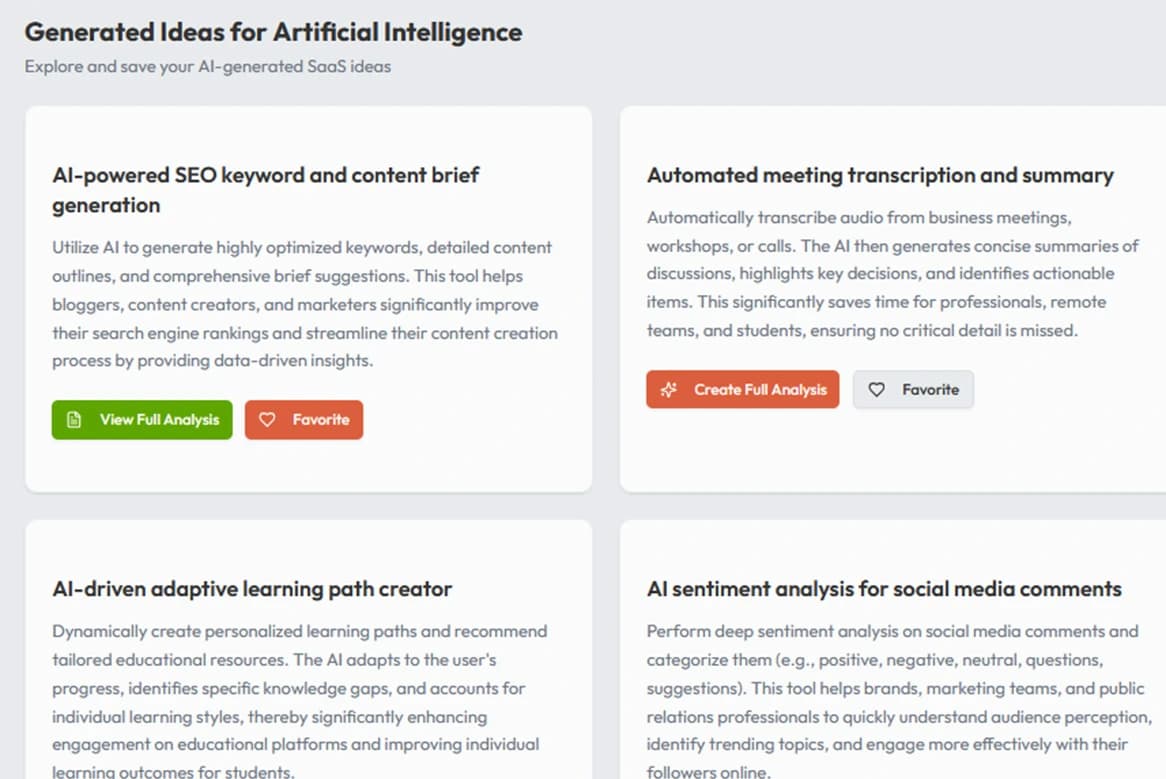
🧠 Ready to Benchmark Your Next SaaS Idea? Try SaaSThink

Competitive benchmarking starts before you even launch. If you're evaluating your next SaaS concept, SaaSThink helps you validate ideas against real market gaps and competitor landscapes.
SaaSThink is an AI-powered saas idea generator that helps founders:
- Identify underserved niches and low-competition opportunities
- Generate startup ideas based on validated industry pain points
- Discover brandable naming options and positioning strategies
- Plan MVP features that differentiate from existing competitors
Instead of building in a vacuum, use SaaSThink to understand where your idea fits in the competitive landscape before you invest months of development time.
🔗 Learn more at: SaaSThink